HISTORY OF CHINESE PHILOSOPHY
Philosophy 301
Fall 2026 Syllabus
Section 001
CRN: 81950
Tuesdays and Thursdays
2:00 — 3:15 PM
K 108
Dr. Timothy J. Freeman
The University of Hawaii at Hilo
Edith Kanaka‘ole Hall 212
office: 932-7479; cell: 345-5231
freeman@hawaii.edu
Office Hours:
Tuesdays and Thursdays
1:00-1:50 PM
CATALOGUE COURSE DESCRIPTION
Phil 301 History of Chinese Philosophy
Survey of the development of the philosophies of China: the classical schools including Confucianism and Daoism, as well as the development of Buddhist philosophy in China, and the subsequent development of Neo-Confucianism. The continuing development and relevance of Chinese philosophy. Recommended: previous work in philosophy. (Attributes: DH, HPP)
REQUIRED TEXTS
Philosophers of the Warring States: A Sourcebook in Chinese Philosophy, Kurtis Hagen and Steve Coutinho, Broadview Press, 2018.
The Path: What Chinese Philosophers Can Teach Us about the Good Life, Michael Puett and Christine Gross-Loh, Simon & Schuster, 2017.
COURSE CONTENT
This course will provide an overview of the history of Chinese philosophy. We will focus primarily on the “classical period” of Chinese philosophy in which six schools of thought developed during the Warring States Period in Chinese history. We will focus on the development of the two most important schools in this period, Confucianism and Daoism, but will also consider Mohism, Legalism, and the Yinyang philosophy. After this examination of the philosophers of the Warring States, we will consider the later development of Buddhism in China, and then the development of Neo-Confucianism. As in Western philosophy, Chinese philosophers were concerned with questions concerning ontology, epistemology, moral theory, and political philosophy, and we will examine and discuss what Chinese philosophers had to say about these questions.
STUDENT LEARNING OUTCOMES
[Philosophy courses for GE purposes]: (As with all Philosophy courses) Students who successfully complete the course will be able to:
●respond clearly, logically and critically to examination questions and discussion questions about some important philosophical issues relevant to the course;
●read, comprehend, and discuss philosophical texts relevant to the course;
●compose effective written materials that assimilate, synthesize and reflect on course information;
●identify and describe in writing and in class discussion some important aspects of the cultural heritage and contributions of Chinese philosophy.
COURSE FORMAT
UH Hilo Designation of Types of Courses
This is a Hybrid course. There will be a combination of online and in person instruction. The instructor determines when students will attend face-to-face (in the classroom, laboratory, and/or field experience). Students are expected to attend face-to-face sessions as required by the Instructor.
CLASSROOM POLICIES
Students will be expected to attend classes in the classroom unless notified otherwise for online instruction.
You are expected to come on time and to stay until the end of the class.
No food is to be consumed in the classroom during class time.
GRADING
Attendance and Participation (10%):
Philosophy comes alive and most interesting through discussion, through engaging with each other about questions raised in the texts.
Mid-term essay assignment (40% each)
A 4-5 page essay assignment.
Final Term Paper (50%)
The final term paper should be 6-8 pages in length and develop at least one of the short essay assignments.
Grading will be determined according to the following scale:
A 95-100 Excellent
A - 90-94
B + 87-89
B 84-86 Good
B - 80-83
C + 77-79
C 74-76 Satisfactory
C - 70-73 Poor
D 60-70 Failure
F below 60
SUPPORT AVAILABLE FOR STUDENTS
Current, up to date statements regarding ITS, Disability Services, Advising, Academic Integrity, Kilohana Academic Success, Student Conduct, Mental Health, Students of Concern, and Title IX/EEO can be found at the following links:
Short Link
Mobile link
ACADEMIC CALENDAR
Course Schedule
Week 1: Introduction to Chinese Philosophy
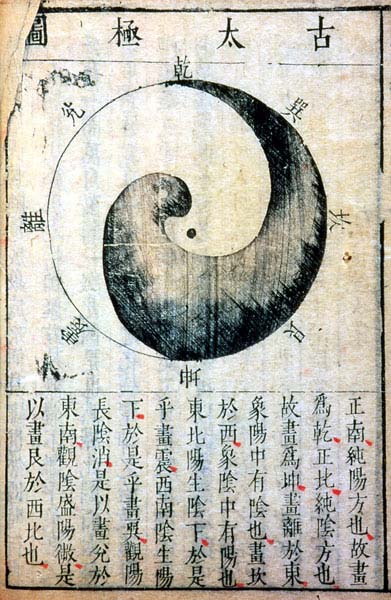
Tai Chi Tu, 太極圖
The Great Ultimate, Zhang Huang, Ming Dynasty
Tuesday, 25 August
Course Introduction and Orientation
Outline of History of Chinese Philosophy
Overview of Chinese Philosophy
Key Philosophical Terms
Thursday, 27 August
Yinyang Philosophy
What Chinese Philosophy Can Teach Us About the Good Life
The Age of Philosophy
(The Path: 1-22)
Introduction
(Philosophers of the Warring States: 17-28)
Week 2: Confucianism—The Analects of Confucius
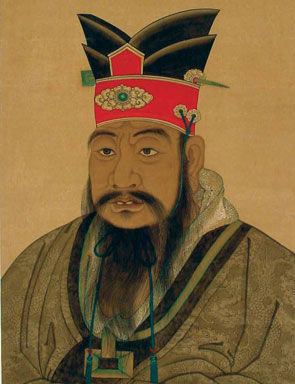
Kong Zi
(Confucius)
(551–479 BCE)
Portrait of Confucius as Minister of Justice in Lu State
Aonymous, Hanging scroll; ink and color on paper, Ming dynasty
Tuesday, 01 September
Da Due: "Expansive Learning"
(Philosophers of the Warring States: 59-65)
*September 1: Last day to register to add classes and to withdraw from courses without owing tuition*
Thursday, 03 September
The Analects of Confucius
Confucius on Personal Conduct and Character
(Philosophers of the Warring States: 67–92)
Week 3: Confucianism—The Analects of Confucius
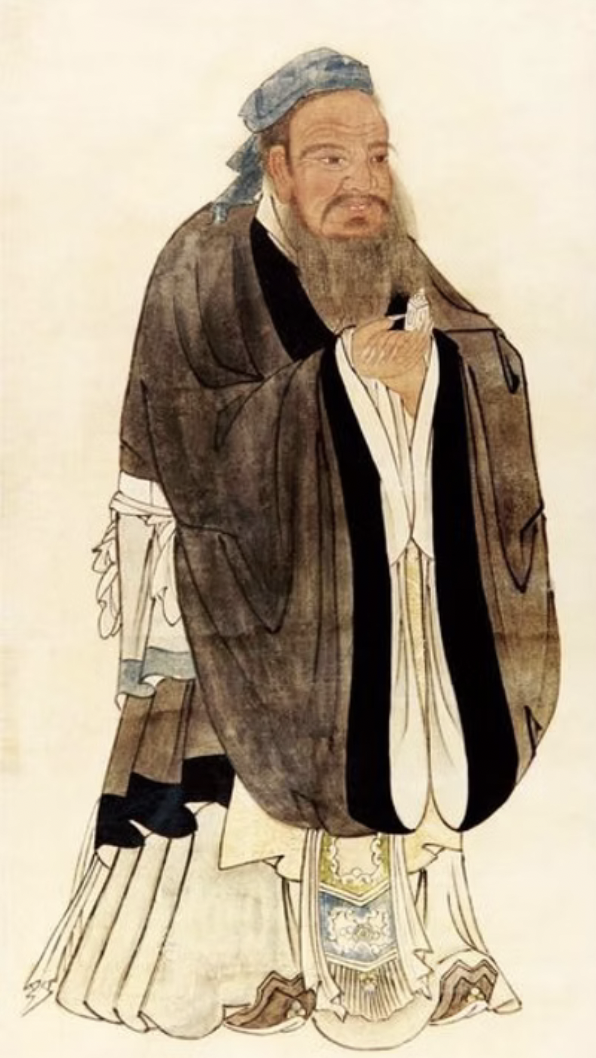
Portrait of Confucius
Qiu Ying (about 1497 — 1552).
Tuesday, 08 September
The Analects of Confucius
Confucius' Political Philosophy
(Philosophers of the Warring States: 92–104)
Thursday, 10 September
The Analects of Confucius
Confucius' Worldview and Attitude towards Spiritual Matters
(Philosophers of the Warring States: 104–112)
What Chinese Philosophy Can Teach Us About the Good Life
On Relationships: Confucius and As-If Rituals
(The Path: 23-53)
*September 11: Last day to exercise Credit/No Credit and final deadline to apply for Fall 2026 Graduation*
Week 4: Confucianism—The Philosophy of Meng Zi
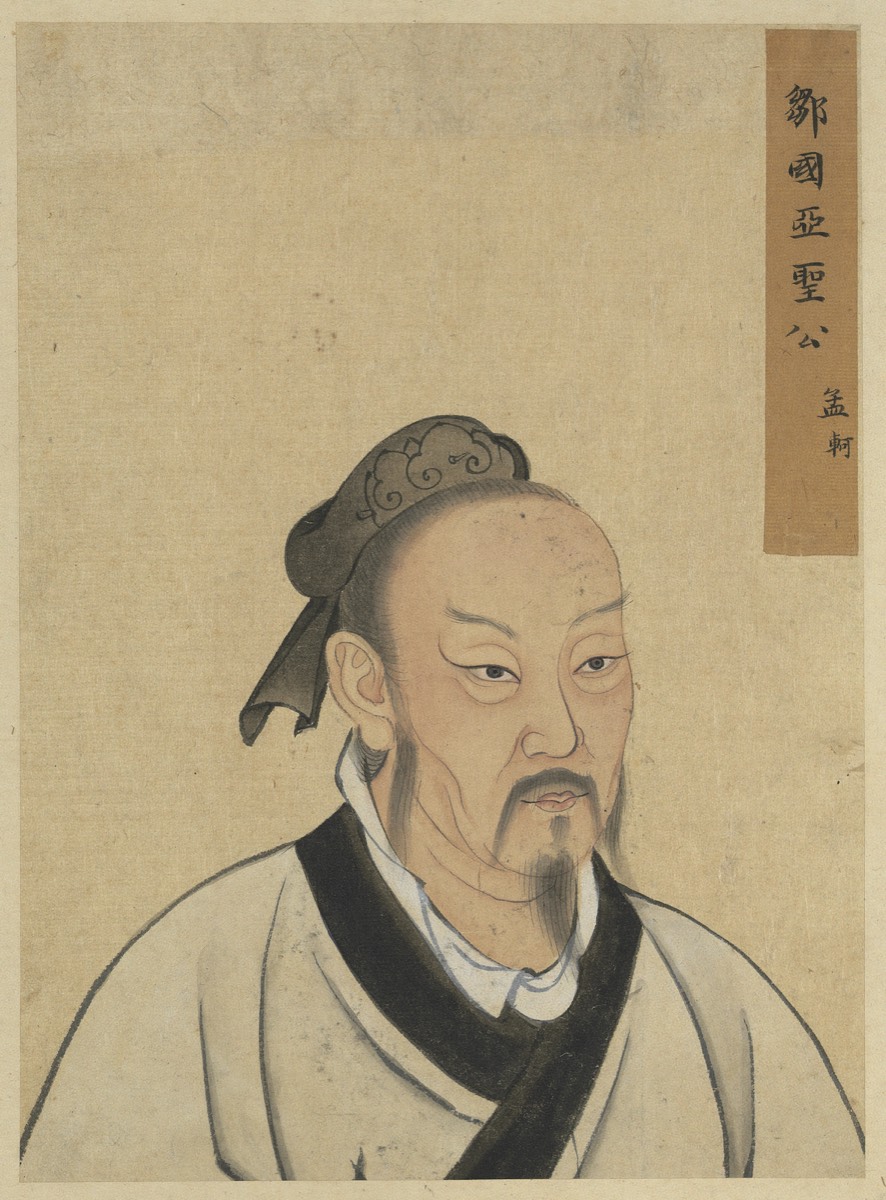
Mengzi
(Mencius)
(372–289 BC or 385–303 or 302 BCE)
Portrait of Meng Zi
Anonymous, Yuan dynasty (1279-1368)
Tuesday, 15 September
Meng Zi
Meng Zi's View of Human Nature
(Philosophers of the Warring States: 113–125)
Film: Ju-Dou
*September 15: Last day to drop a class online without a "W" and last day to receive 50% refund for complete withdrawals.*
Thursday, 17 September
Meng Zi
Meng Zi's Ethical & Political Philosophy
(Philosophers of the Warring States: 125–154)
What Chinese Philosophy Can Teach Us About the Good Life
On Decisions: Mencius and the Capricious World
(The Path: 55-85)
Week 5: Confucianism—The Philosophy of Xun Zi
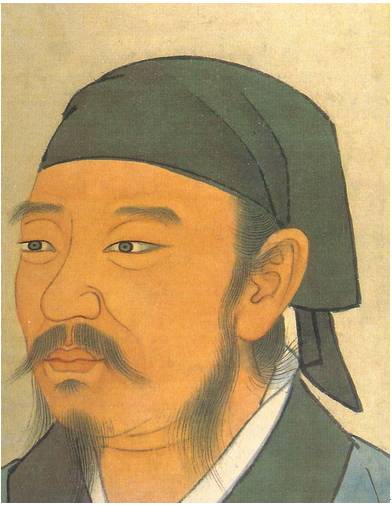
Xun Zi
(c. 310-235 B.C.E.)
Tuesday, 22 September
Xun Zi
Encouraging Learning
Honor and Disgrace
Discussing the Military
(Philosophers of the Warring States: 155–177)
Thursday, 24 September
Xun Zi
A Discourse on Tian (Heaven)
A Discourse on Li (Ritual Propriety)
Dissolving Beguilement
(Philosophers of the Warring States: 177–208)
Week 6: Confucianism—The Philosophy of Xun Zi
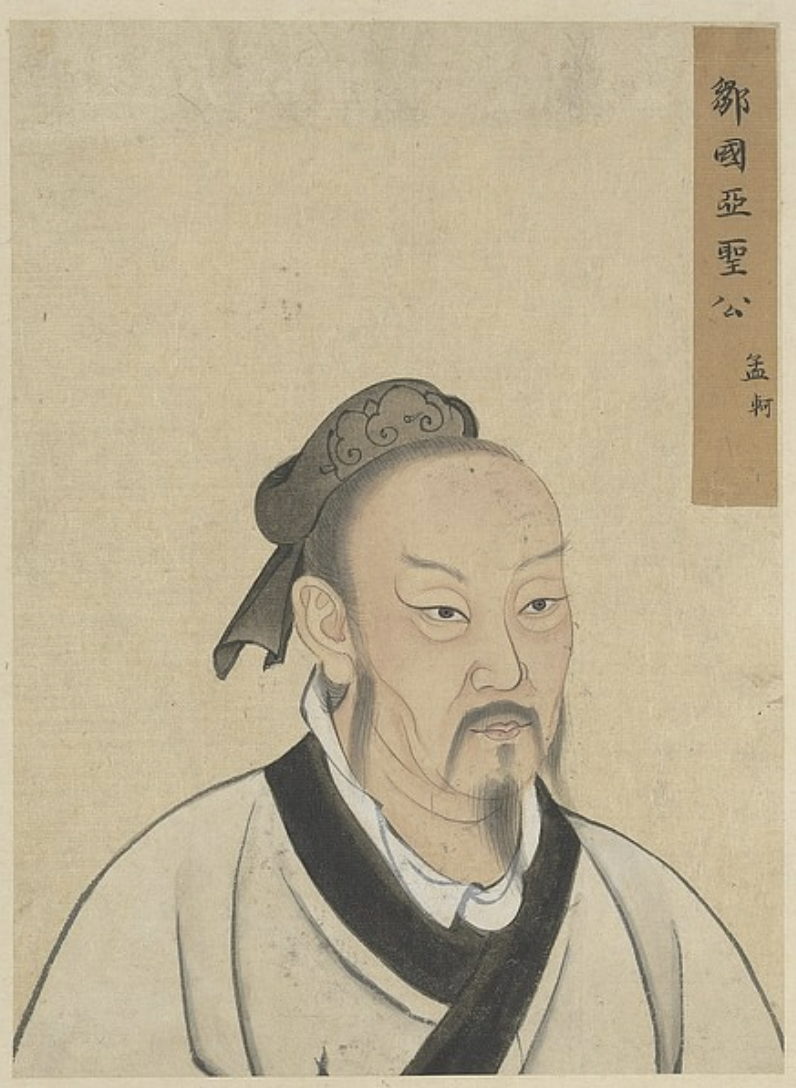
Xun Zi
(c. 310-235 B.C.E.)
Tuesday, 29 September
Xun Zi
Proper Terminology
Natural Dispositions are Detestable
(Philosophers of the Warring States: 208–233)
The Zhong Yong: "Excellence in the Ordinary"
(Philosophers of the Warring States: 235–245)
Thursday, 01 October
Symposium on Confucianism
What Chinese Philosophy Can Teach Us About the Good Life
On Humanity: Xunzi and Putting Pattern in the World
(The Path: 163-181)
Week 7: Mohism—The School of Mo
Mo Zi
(c. 470-391 B.C.E.)
Tuesday, 06 October
Mo Zi
Philosophical System
(Philosophers of the Warring States: 249–274)
Thursday, 08 Otober
*No Class: PACT Conference*
Week 8: Daoism—The Lao Zi
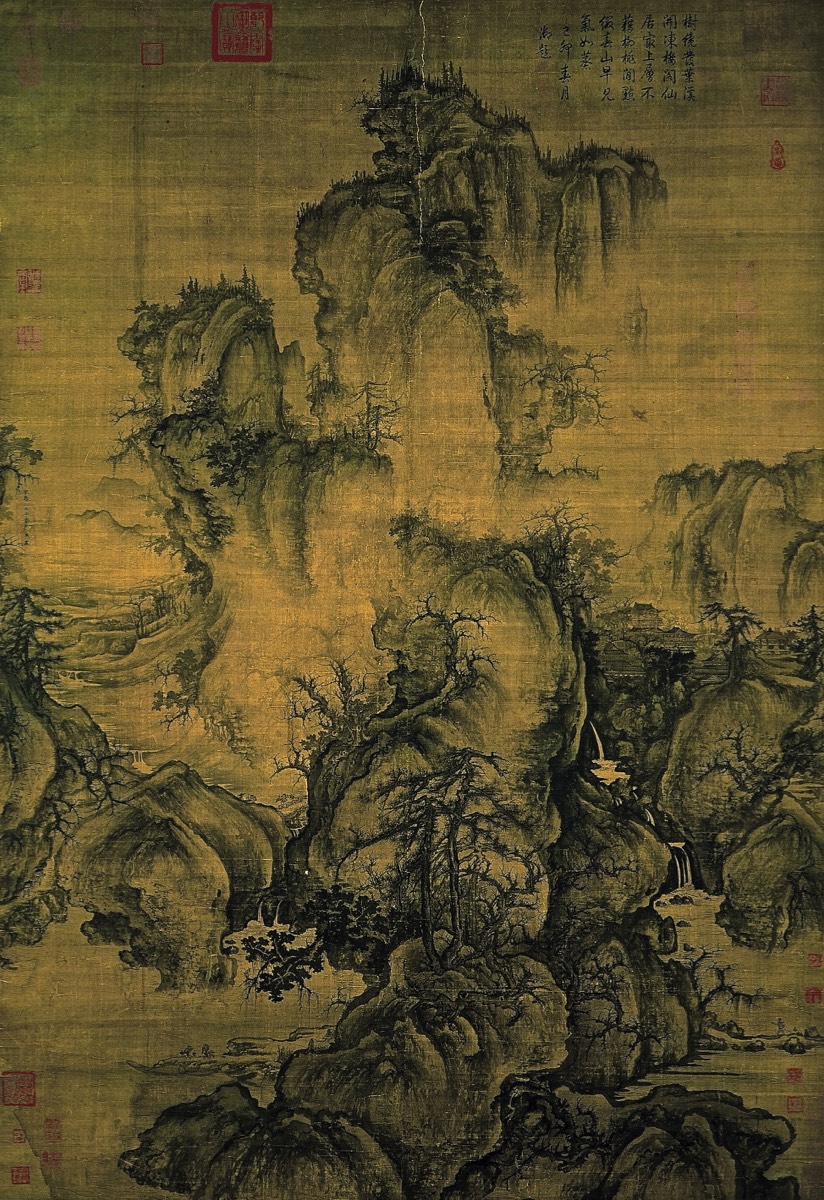
Early Spring
Guo Xi, Song Dynasty, 1072
Tuesday, 13 October
Lao Zi
Dao De Jing (D.C.Lau 1963)
Dao De Jing (Feng & English 1989)
Dao De Jing (Ivanhoe & Van Norden 2001)
Ontology and Cosmology
(Philosophers of the Warring States: 277–291)
Thursday, 15 October
Lao Zi
Phenomenology, Meditation, and Spiritual Cultivation
Tian Dao: The Way of the Cosmos
(Philosophers of the Warring States: 291–307)
Week 9: Daoism—The Lao Zi
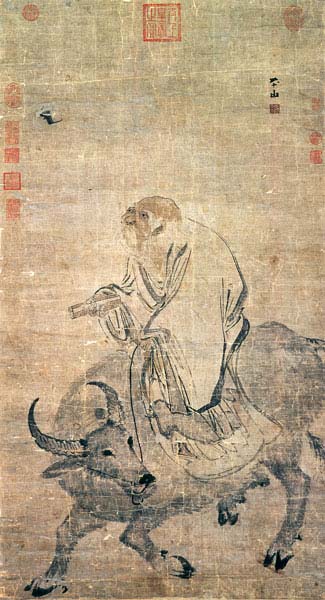
Laozi on an Ox
Zhang Lu, Ming Dynasty
Tuesday, 20 October
Lao Zi
Ren Dao: The Way of Humans
Wu Wei: Politics, Utopianism, and Empire
(Philosophers of the Warring States: 307–328)
The Inward Training
What Chinese Philosophy Can Teach Us About the Good Life
On Vitality: The Inward Training and Being like a Spirit
(The Path: 119-139)
Thursday, 22 October
What Chinese Philosophy Can Teach Us About the Good Life
On Influence: Laozi and Generating Worlds
(The Path: 87-117)
Video on Daoism
Week 10: Daoism—The Zhuang Zi
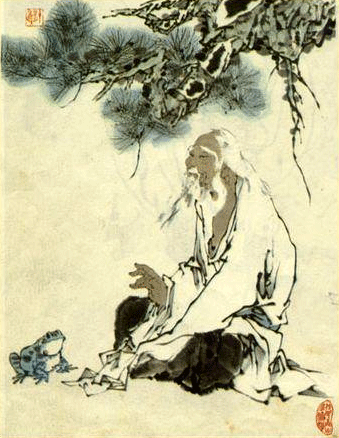
Zhuang Zi
(369-298 BCE)
Tuesday, 27 October
Zhuang Zi
Introduction:
The Butterfly Dream
Trained Spontaneity
Thursday, 29 October
Zhuang Zi
Vastness and Wandering Beyond
Philosophy of Vastness as Developed in the Outer Chapters
Transformation: Living and Dying with Tranquility
(Philosophers of the Warring States: 329–360)
*November 2: Last day to drop a class online with a "W"*
Week 11: Daoism—The Zhuang Zi
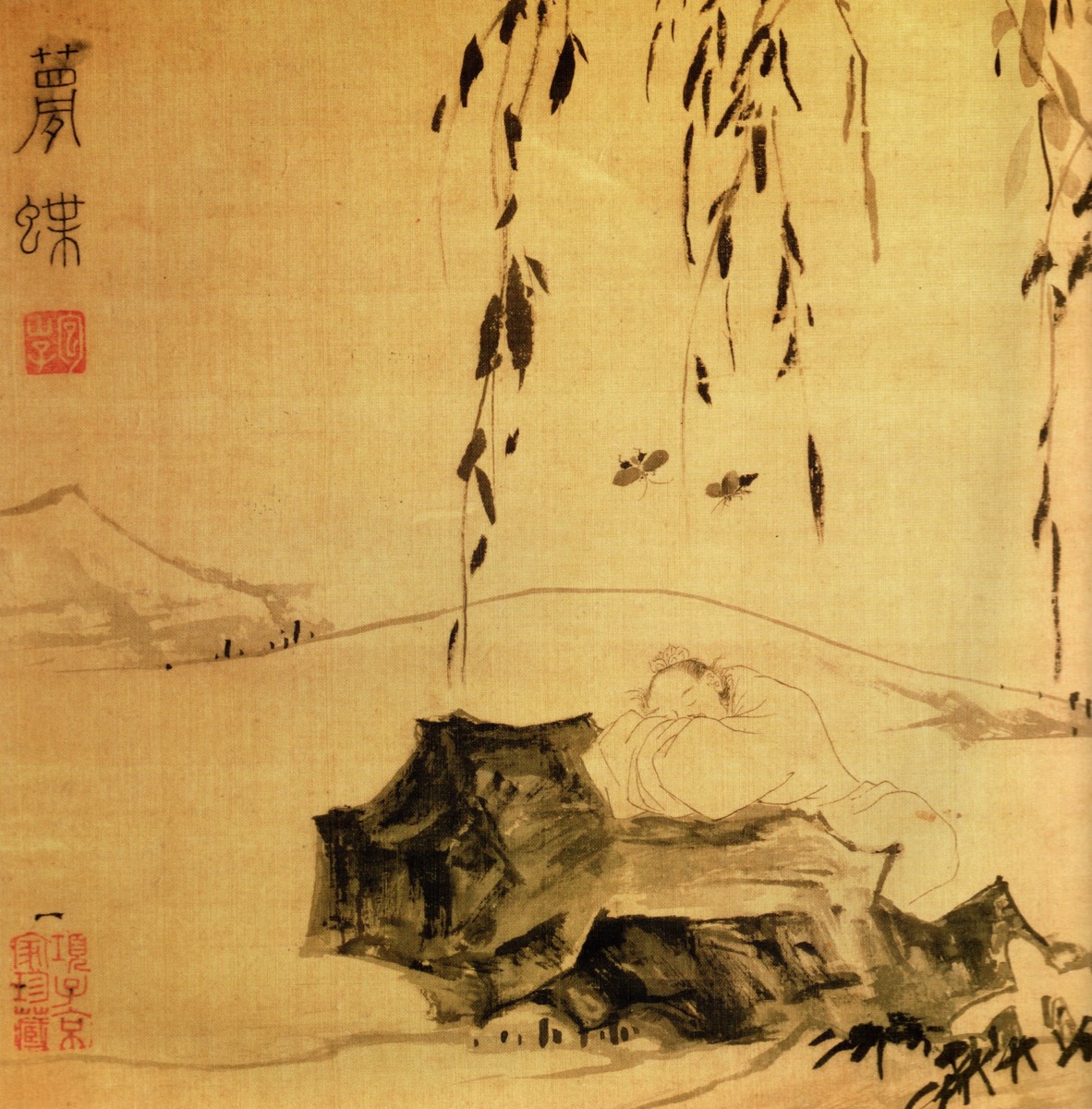
Zhuangzi Dreaming of a Butterfly
Ink on silk, Lu Zhi, Ming Dynasty
Tuesday, 03 November
*Holiday: Election Day*
Thursday, 05 November
Zhuang Zi
Natural Potency De
Governing
Daoist Philosophy of Skill
(Philosophers of the Warring States: 377–396)
Week 12: Daoism—The Zhuang Zi
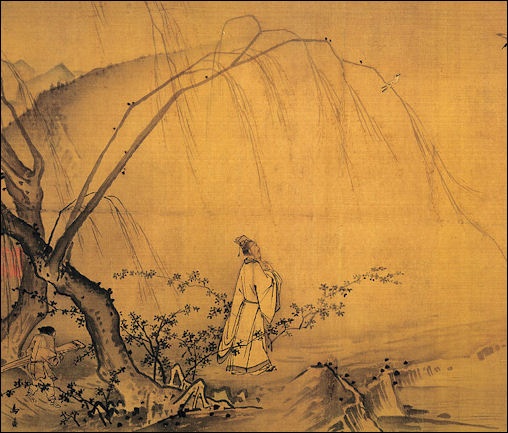
On a Mountain Path in Spring
Ma Yuan (馬遠, c.1160-1225), Song Dynasty (960-1279)
Tuesday, 10 November
Zhuang Zi
Language, Knowledge, and Evaluation
(Philosophers of the Warring States: 377–396)
Thursday, 12 November
Zhuang Zi
Utopianism and Mystical Imperialism:
Two Strands of Thought from the Outer Chapters
(Philosophers of the Warring States: 397–410)
What Chinese Philosophy Can Teach Us About the Good Life
On Spontaneity: Zhuangzi and a World of Transformation
(The Path: 141-161)
Week 13: Legalism—The Han Fei Zi
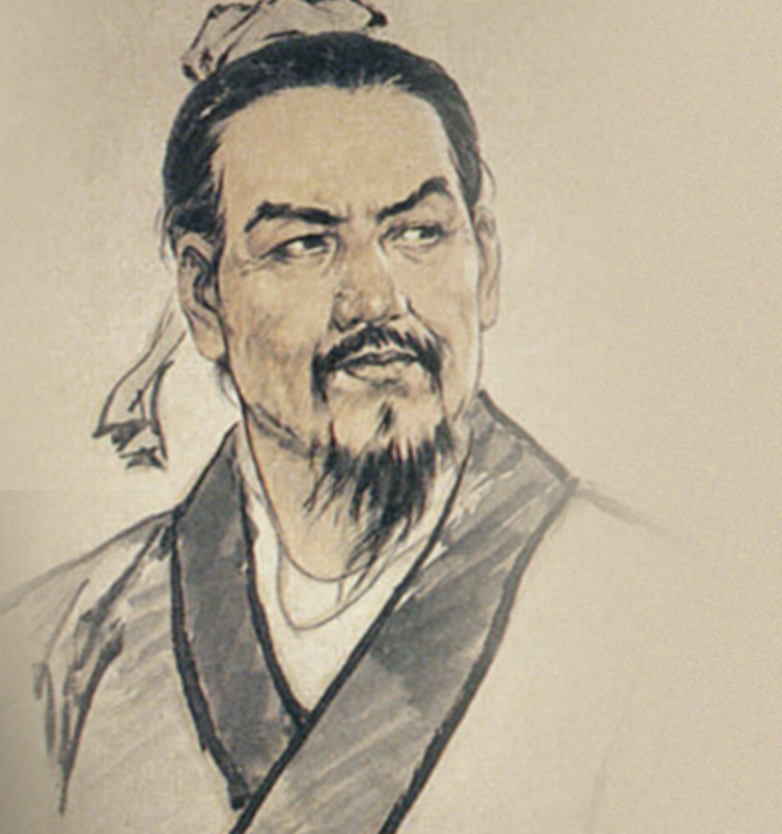
Kneeling crossbowman from the Terracotta Army
assembled for the tomb complex of Qin Shi Huang,
founder of the Qin dynasty and the first emperor of a unified China.
Tuesday, 17 November
Han Fei Zi
Fundamentals of Legalism
Defense of Legalism, and Criticism of Confucianism and Mohism
(Philosophers of the Warring States: 413–435)
Thursday, 19 November
Film:
Hero
Week 14: Chinese Buddhism
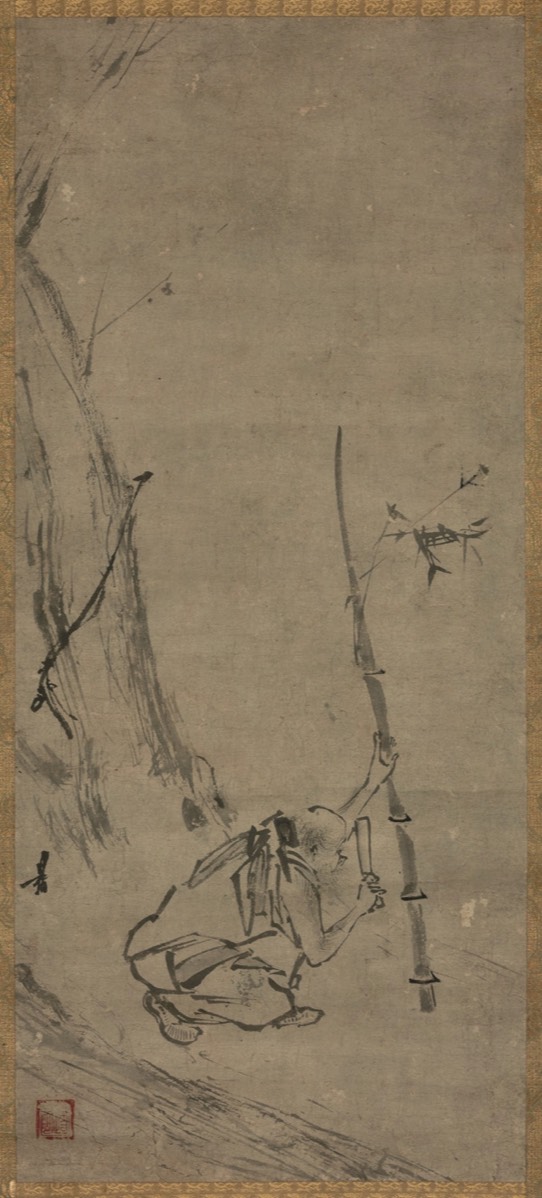
The Sixth Patriarch Cutting the Bamboo
Liang Kai, Song Dynasty (960-1279)
Hanging scroll, ink on paper, Tokyo National Museum
Tuesday, 24 November
Theravada Buddhism
Mahayana Buddhism
Distinctive Chinese Schools of Buddhism
Three Buddhist Sutras
Patterns in Nature
Fractals: A World in a Grain of Sand
Thursday, 26 November
*Holiday: Thanksgiving Day*
Week 15: Neo-Confucianism
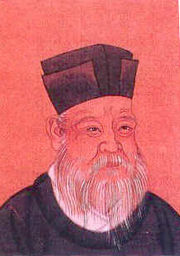
Zhu Xi
(1130-1200 CE)
Tuesday, 01 December
Thursday, 03 December
Week 16: Conclusion—Chinese Philosophy in the Modern World
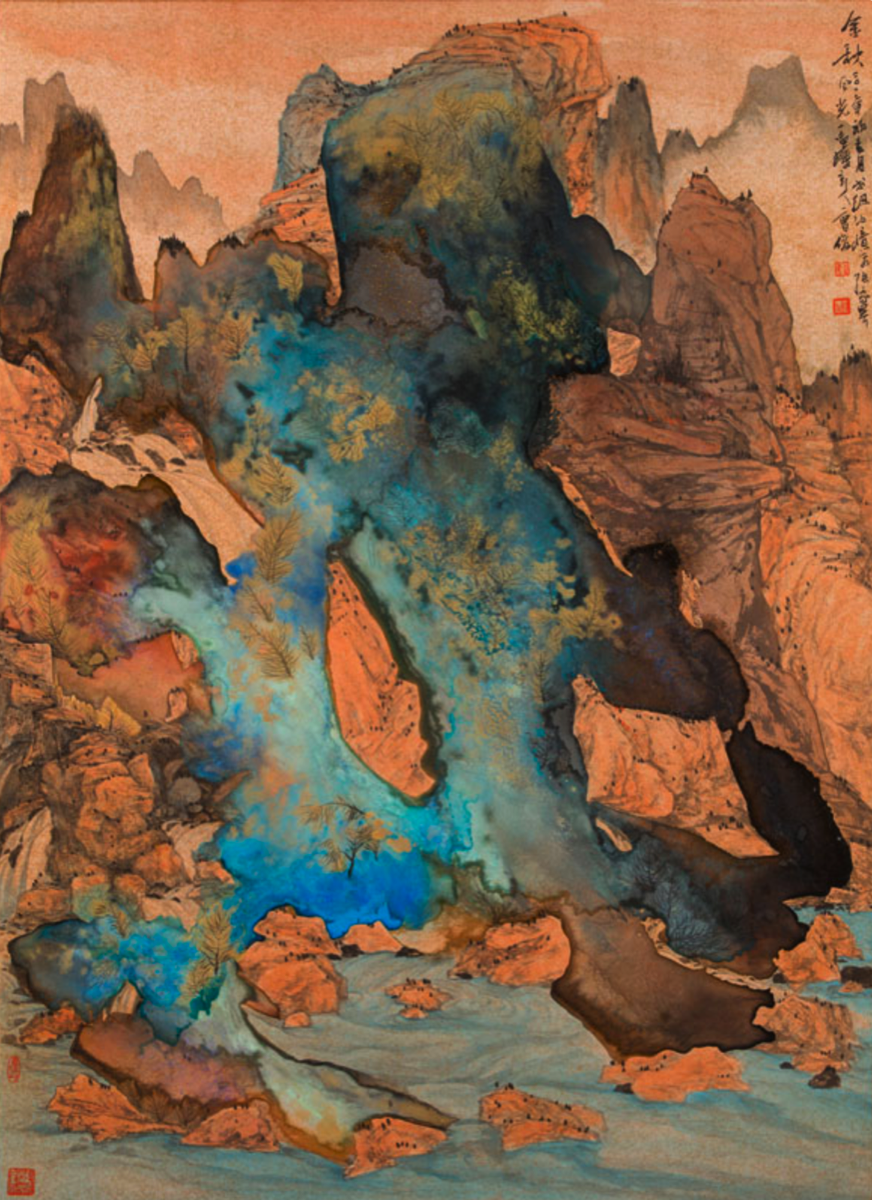
Golden Autumn 金秋,
ink and watercolor on paper, mounted on board, Cao Jun, 2017.
Tuesday, 08 December
What Chinese Philosophy Can Teach Us About the Good Life
The Age of Possibility
(The Path: 183-198)
We Have Been Harmonized: Life in China's Surveillance State
Kai Strittmatter, NPR Interview
Discussion
Thursday, 10 December
Symposium on the Relevance of Chinese Philosophy in the Modern World
Final Exam
Thursday, 17 December (2:00 - 4:00 PM)
The final exam is the Term Paper, due by the of the exam period.
**Schedule is subject to revision**